Restaurant Or Cafe Business Plan: Which Is Better For You?
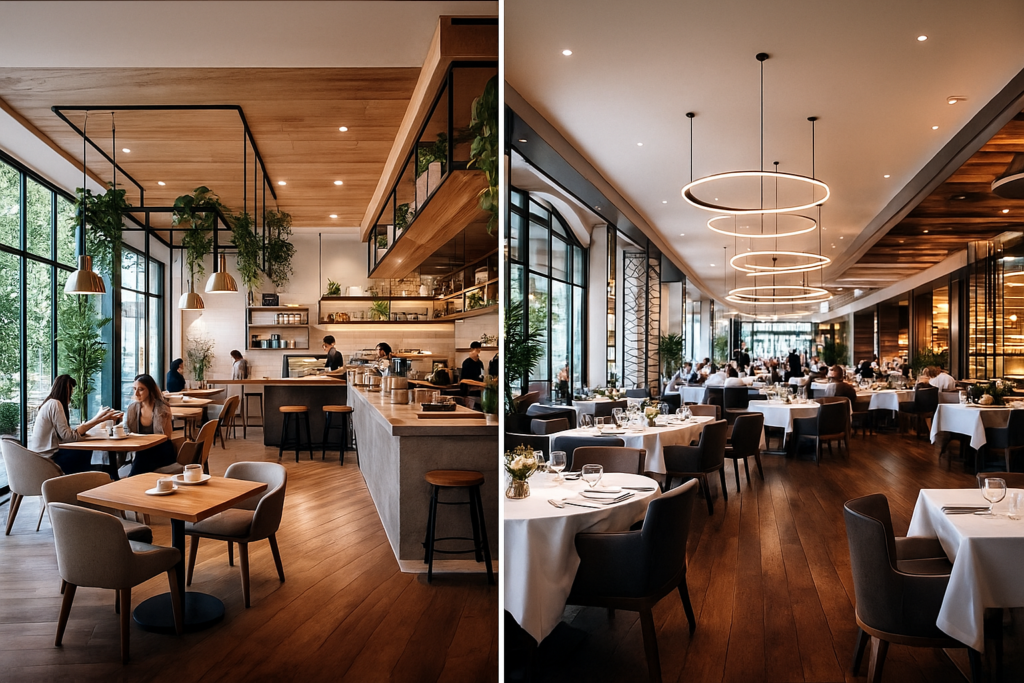
To formulate your cafe business plan, first you need to understand the key differences between a restaurant and a cafe. This will not only give you more insight, but it will also help you to lower your start up costs.
The first decision an investor faces in the food service sector isn’t about the menu. It’s about the commercial real estate. Before you even consider a lease, you need to understand that a Restaurant Business Plan, and a Cafe Business Plan are fundamentally different documents. They dictate entirely separate property requirements, with different financial projections and outcomes.
Choosing the cafe business model often translates directly to a massive reduction in your initial investment. This will help you lower startup costs significantly. The location you choose will shape your overhead, your traffic, and ultimately your ability to turn a profit.
That’s why building a smart cafe business plan starts with knowing exactly how a café differs from a restaurant from the standpoint that matters most, including space, the costs involved, and long term returns.
Space and Location Requirements
Your real estate strategy should also align with your restaurant business plan or café concept. Restaurants depend heavily on visibility, parking, and evening foot traffic. Cafés thrive in smaller, flexible locations such as corner units, mixed use buildings, or ground floor retail space where people naturally pass by throughout the day. Lower lease rates in these micro locations allow cafés to hit profitability faster.
Cafes typically require 1,000-2,000 square feet, while full service restaurants need 3,000-5,000 square feet or more. This size difference dramatically impacts your lease negotiations as well as costs to open a restaurant versus a cafe.
Smaller footprints mean lower rent, reduced utility bills, and less expensive tenant improvements. When scouting commercial properties, cafes can thrive in locations restaurants can’t justify financially.
A traditional restaurant often requires a commercial kitchen, expanded seating, specialized ventilation, and higher monthly rent due to square footage. In competitive markets, that difference alone can make or break your early cash flow.
A cafe’s operation requires less physical space and different back end tech.
Zoning and Permit Advantages for Cafes
A major but often overlooked advantage in your cafe business plan is how much easier and cheaper it can be to secure proper zoning and permits compared to a full restaurant.
Zoning and permitting dramatically affects both your timeline and costs to open a restaurant or café. Full service restaurants typically require more complex licensing including food service permits, liquor licenses (if applicable), and commercial kitchen certifications that can take 3-6 months to secure. Cafés serving primarily beverages and pre packaged or limited prep foods often qualify for simplified permits. This helps to cut approval time to 4-8 weeks in most jurisdictions.
Zoning regulations also differ. For example, restaurants may face restrictions in residential adjacent areas due to noise, parking, and operating hours, while cafés are frequently welcomed in mixed use zones.
Before signing any lease, verify that your intended use matches the property’s zoning classification. This single step prevents costly delays and ensures your Cafe Business Plan stays on schedule. Many first time owners underestimate permit costs, which can range from $5,000-$25,000 for restaurants, but often stay under $3,000 for cafés, further widening the startup cost gap between the two models.
Restaurants typically require approvals for commercial kitchens, grease traps, hood systems, and high capacity occupancy limits. These additions dramatically increase the costs to open a restaurant, especially in cities where every permit triggers another inspection or compliance upgrade.
Cafes usually fall under lighter food service classifications. This gives you access to smaller units, converted retail spaces, or mixed use properties that a restaurant simply wouldn’t qualify for.
Lower permit fees and shorter approval timelines not only save thousands upfront, but it also helps you to get open and earning faster.
For investors treating this as a real estate driven venture, these regulatory efficiencies provide a strategic advantage that directly improves your projected restaurant profit margin, even when your business model is café based.
Operational Efficiency Matters For Your Cafe Business Plan
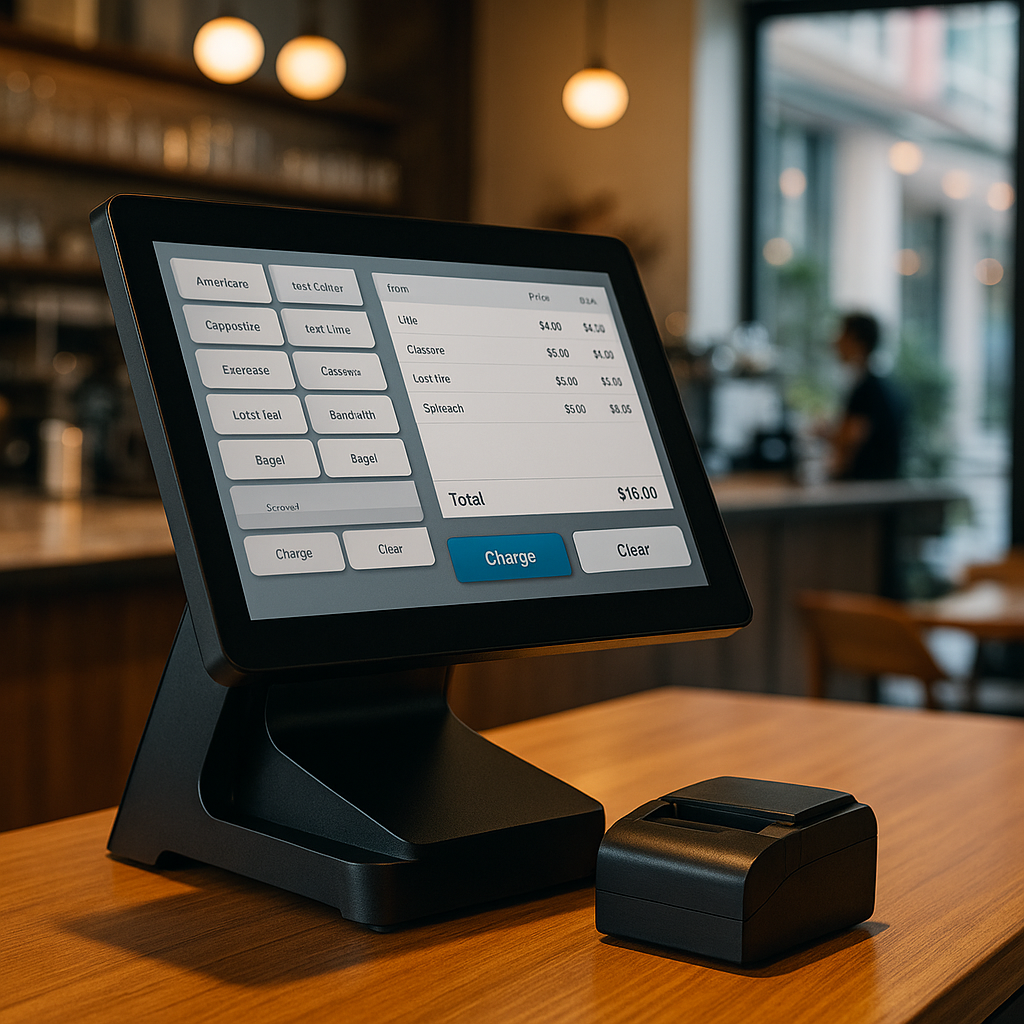
One overlooked area that directly impacts margins is technology. Choosing the right POS software for restaurant operations, (or café operations) helps track sales trends, reduce waste, and tighten your overall financial model from day one. A strong POS is often the quiet advantage behind the fastest growing new food businesses.
Both models benefit from modern POS software for restaurants and cafes, which streamline ordering, inventory, and sales tracking. However, cafes need simpler systems with lower monthly costs, while restaurants require integrated platforms managing reservations, kitchen displays, and complex menu modifications.
This is why your Cafe Business Plan is your most critical tool. It forces you to define specific operations, which, in turn, defines the necessary real estate footprint. A cafe’s operation requires less physical space and, critically, different back end tech. The lighter needs of a cafe mean you can often opt for simpler POS Software for restaurant operations, saving thousands on hardware, installation, and complexity compared to a full-scale dining POS.
The Financial Reality
A restaurant business plan must account for full kitchen buildouts, extensive hood systems, and multiple dining zones. These requirements can push initial investments to $250,000-$500,000. Alternatively, cafes, focusing on lighter food and beverages, often start at $80,000-$200,000.
The restaurant profit margin averages 3-5%, while cafes typically see 10-15% margins due to lower overhead with higher margin products like coffee and pastries.
Operational choices matter too. A restaurant may require a full staff, multiple suppliers, and higher utility costs. A café can run efficiently with a smaller team, limited equipment, and streamlined service, which improves your expected restaurant profit margin. Even if you’re operating a café instead of a restaurant.
Making Your Decision
Your choice impacts everything from zoning requirements to staffing costs. Restaurants need commercial kitchens meeting strict health codes, while cafes often qualify for less restrictive permits. Consider your target market’s demographics, foot traffic patterns, and parking availability when evaluating properties.
Start with honest financial projections. Calculate your break even point based on realistic daily customer counts, average ticket prices, and your location’s rent. The right choice with thorough planning positions you for profitability from day one, not year three.
In Conclusion Of Restaurant Or Cafe Business Plan: Which Is Better For You:
Whether you’re opening a café or a restaurant, the smartest move is aligning your concept with the right real estate footprint. That alone can cut startup costs, increase margins, and give your new venture the stability it needs to succeed.
By focusing on a lean Cafe Business Plan, you are not just launching a business, you are making a financially sound real estate decision that maximizes your ROI and minimizes initial risk.
If you are planning to open a cafe or restaurant, be sure to also read up on “How To Fund Any Deal Easily”.